History
Perucchetti
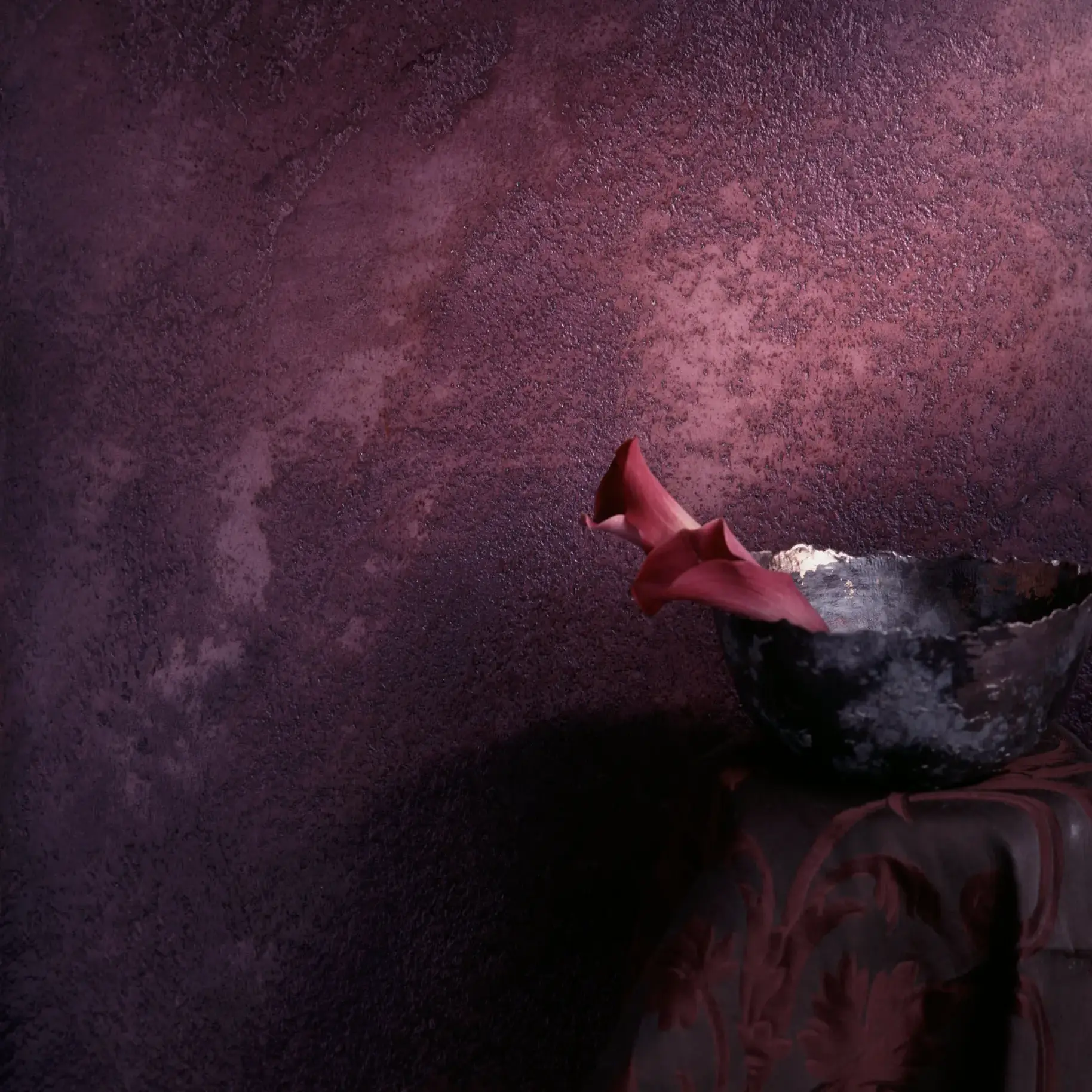
Perucchetti introduced Venetian polished plaster to the UK in the 1970s. Perucchetti was the original and remains the leading operation in the application of this ancient technique of applying marble dust with lime to walls and ceilings. Spearheaded for over half a century by Lady Natascha Boldero, she used her unique access to Venetian archives and combined her passion for creativity with academic rigour with a Masters in the Byzantine period of Decorative Arts at the University of Athens to establish an operation which continues to celebrate and perpetuate this distinguished artisanal art form.
Perucchetti remains at the vanguard of specialist Venetian plastering with a committed focus to remain the pioneers of colour and texture, to forge new collaborations with the world’s leading designers and to leave our distinguished mark on the world’s most stunning architecture and interiors.


Venetian Plaster
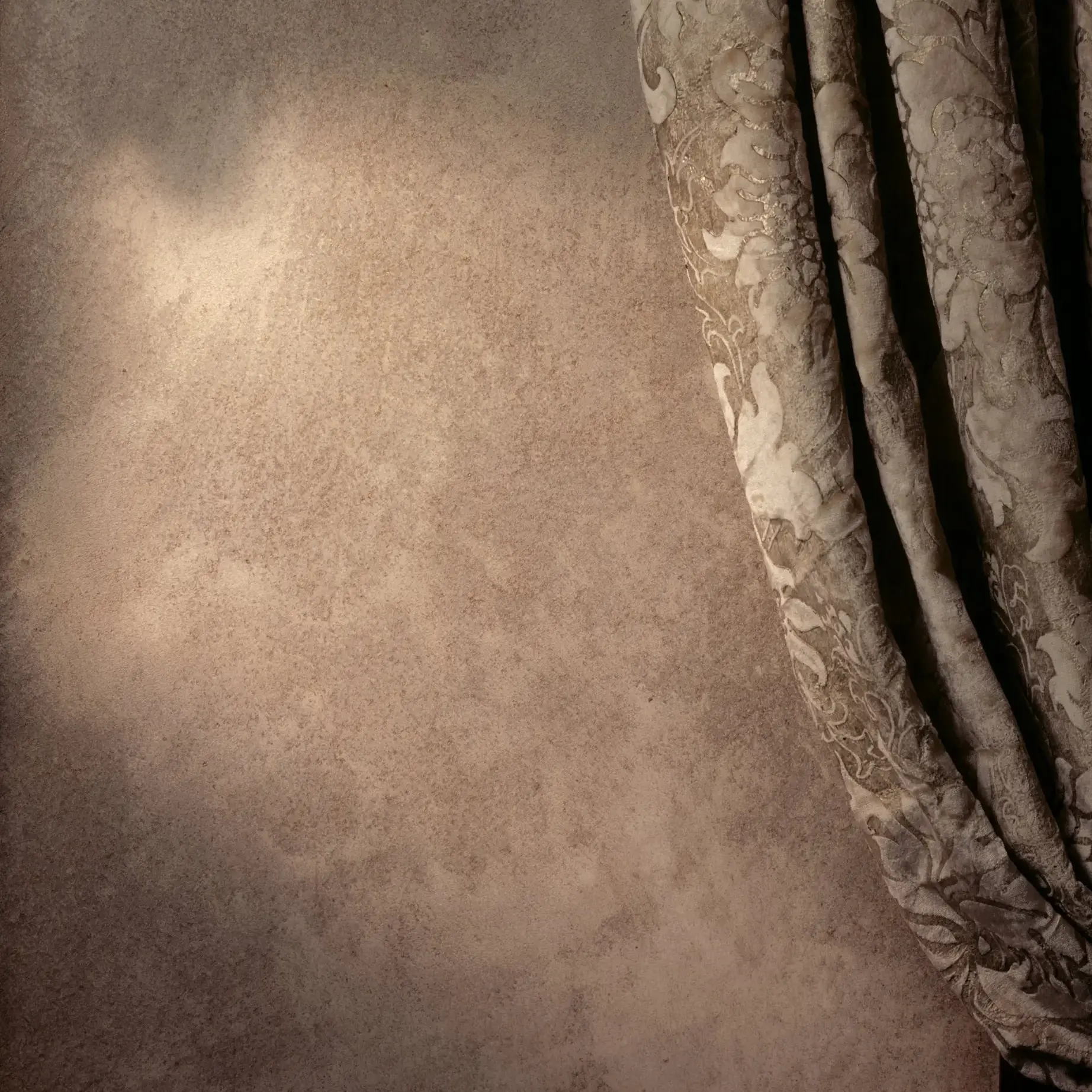
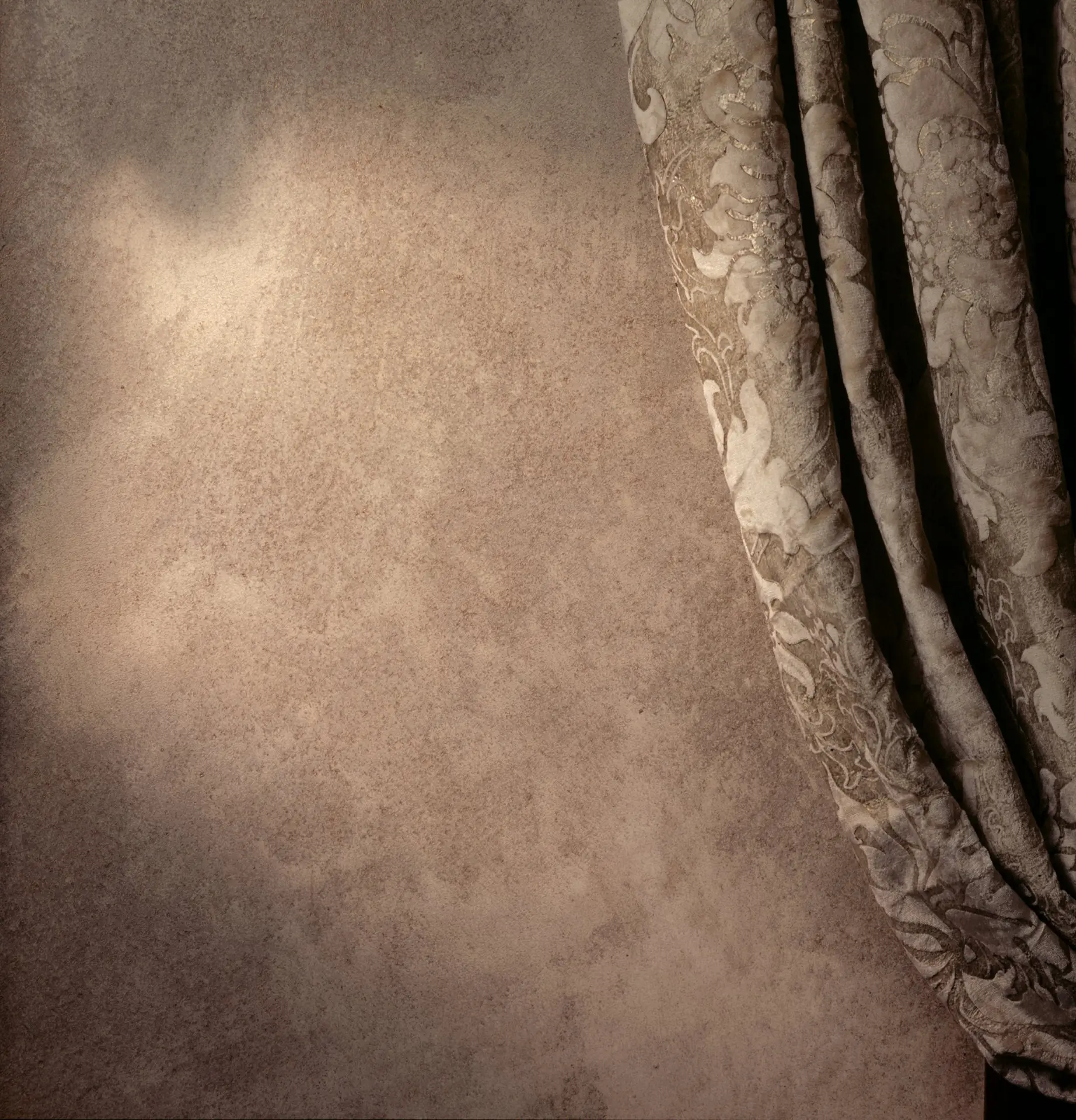
From ancient Rome to the 14th century, through the Byzantine period and Ottoman Empire, forms of lime-based plasters were created and applied to walls. Traditional Marmorino was partly made up of crushed Istrian stone mixed with lime putty, producing a velvety white finish or a natural terracotta hue. Different countries used their local materials and produce to achieve a variety of different finishes. It was the Principality of Venice, with its wealth and sophistication, that developed the finesse of this exquisite, organic product. The Renaissance in Venice produced an explosion of creativity with the introduction of new mineral colours becoming available through the trade routes— azurite, vermilion, indigo and the most precious, Lapis Lazuli (ultramarine).